

what is toughened safety glass
Grounding a Welding Table Importance and Techniques Welding is a critical process in various industries, from automotive to construction, and it is fundamentally based on the principles of electricity and metallurgy. A key aspect of welding safety and effectiveness is ensuring proper grounding of the welding table. Grounding is not only essential for equipment functionality but also plays a crucial role in the safety of the welders and the work environment. Why Grounding is Important Grounding a welding table helps to prevent electrical shock. When a welder uses a welding machine, it generates an electrical current that needs a clear path to ground to ensure safety. Without proper grounding, there exists the risk of stray electrical currents that can lead to serious injuries or even fatalities. Grounding equipment also serves to protect sensitive components within the electrical circuit, helping to prevent damage from electrical surges and ensuring smoother operation. Moreover, effective grounding improves weld quality. A well-grounded welding table facilitates the flow of electricity during the welding process, ensuring that enough current reaches the weld area. Insufficient grounding can result in poor welds, which may be weaker or have defects, thus compromising the integrity of the finished product. This, in turn, could lead to catastrophic failures in applications where structural reliability is paramount. Techniques for Grounding a Welding Table To properly ground a welding table, several techniques can be employed. These methods vary based on the type of welding operation, the table material, and the specific requirements of the welding process. grounding a welding table 1. Use of Ground Cables The simplest and most common method is to attach a heavy-duty ground cable directly from the welding machine to the table. The other end of the ground cable should be connected to a grounding rod or a suitable earth connection. Tables made of conductive material like steel can serve as effective grounding points. 2. Dedicated Grounding System For workshops with multiple welding stations, it may be beneficial to create a dedicated grounding system. This can involve installing a series of grounding rods driven into the ground, connected with copper wires that run throughout the workshop, allowing each welding table to share the grounding system. 3. Grounding Brushes and Straps In cases where welders frequently switch between various equipment or move around, grounding brushes or straps can be attached to the welding table. These provide constant grounding regardless of the welder's movements and ensure consistent electrical flow. 4. Regular Checks and Maintenance It is essential to regularly inspect grounding connections and cables for wear, corrosion, or damage. Any issues should be addressed immediately to maintain optimal safety and performance levels. Conclusion Grounding a welding table is an indispensable practice in ensuring both safety and effectiveness in the welding process. As the industry continues to advance, awareness of the importance of proper grounding systems will only grow. By implementing effective grounding techniques and regularly maintaining equipment, welders can safeguard not only their well-being but also enhance the quality of their work. Ultimately, proper grounding is not merely a technical requirement; it is a fundamental aspect of creating a safer and more efficient welding environment. Investing time and resources in grounding practices will pay dividends in terms of safety, equipment longevity, and the quality of the final welds produced.
about
what is toughened safety glass
Hydraulic systems are critical components in modern industrial and infrastructure applications, requiring precise control of fluid flow to ensure safety, efficiency, and longevity. Among the essential elements in these systems is the slow-closing check valve , a device designed to regulate flow by preventing backflow while minimizing pressure surges. This article explores the innovative 300X slow-closing muffler check valve developed by Storaen (Cangzhou) International Trading Co., highlighting its technical specifications, applications, and the company's commitment to quality and innovation. Key Features and Functional Advantages The 300X slow-closing muffler check valve is engineered with a novel structure that addresses common challenges in hydraulic systems, such as water hammer and excessive resistance. Its standout features include: Superior Sealing Performance : The valve's design ensures a tight seal, preventing leakage and maintaining system integrity under high-pressure conditions. Low Flow Resistance : Optimized internal geometry minimizes energy loss, allowing for smooth fluid flow and improved system efficiency. Adjustable Closing Speed : Users can fine-tune the valve's closing mechanism to match specific operational requirements, reducing wear and tear on downstream components. Water Hammer Mitigation : By controlling the rate at which the main valve closes, the device effectively dampens pressure surges, extending the lifespan of pipes and equipment. Durable Construction : High-quality materials and advanced manufacturing techniques ensure long-term reliability in demanding environments. Technical Specifications Parameter Specification Model 300X Slow-Closing Muffler Check Valve Flow Rate Up to 1200 GPM (depending on size) Pressure Range 0-150 psi Materials Stainless steel, brass, and reinforced polymer components Operating Temperature -20°C to 80°C Connection Type Flanged or threaded (customizable) Adjustable Closing Time 0.5-10 seconds (user-configurable) Applications in Industrial and Infrastructure Systems The versatility of the 300X slow-closing muffler check valve makes it suitable for a wide range of applications, including: Water Treatment Plants : Preventing backflow in pumping systems and reducing pressure spikes during shutdowns. Oil and Gas Pipelines : Ensuring safe and efficient flow control in high-pressure environments. Power Generation : Protecting turbines and generators from water hammer effects in cooling systems. Manufacturing Facilities : Maintaining consistent fluid flow in hydraulic machinery and automated systems. Fire Suppression Systems : Regulating water flow to prevent damage from sudden pressure changes. Company Background: Storaen (Cangzhou) International Trading Co. Founded in 2005, Storaen (Cangzhou) International Trading Co. has established itself as a leader in the supply of industrial valves and hydraulic components. With a focus on innovation and quality, the company serves clients across North America, Europe, and Asia. Their commitment to research and development ensures that products like the 300X slow-closing muffler check valve meet the highest standards of performance and reliability. Storaen's expertise in hydraulic systems is complemented by its adherence to international standards, including ISO 9001:2015 and ASME. The company's state-of-the-art manufacturing facilities and rigorous quality control processes guarantee that every product delivers exceptional value to customers. Industry Standards and Regulatory Compliance The 300X slow-closing muffler check valve is designed to comply with global industry standards, ensuring compatibility and safety in diverse applications. Key certifications include: ISO 9001:2015 : Quality management system certification. ASME B16.34 : Standards for valves used in piping systems. API 602 : Specifications for compact gate, globe, and check valves. For further insights into hydraulic system standards, refer to the National Institute of Standards and Technology (NIST) , which provides critical research and guidelines for industrial applications. Expertise and Innovation in Hydraulic Technology According to NIST , "Hydraulic systems require precise control mechanisms to ensure operational safety and efficiency. Innovations in valve technology, such as slow-closing designs, play a pivotal role in mitigating risks associated with pressure fluctuations and system failures." The 300X slow-closing muffler check valve exemplifies this innovation by integrating advanced engineering principles to address real-world challenges. Storaen's commitment to innovation is evident in its collaboration with leading research institutions and its investment in cutting-edge manufacturing technologies. This approach ensures that the company remains at the forefront of hydraulic system advancements. Conclusion The 300X slow-closing muffler check valve represents a significant advancement in hydraulic technology, offering unparalleled performance, reliability, and adaptability. Its unique design and robust construction make it an ideal solution for industries where precision and safety are paramount. By partnering with Storaen (Cangzhou) International Trading Co. , businesses can leverage cutting-edge valve technology to enhance system efficiency and reduce operational risks. References National Institute of Standards and Technology (NIST) . (n.d.). Hydraulic Systems and Pressure Control. Retrieved from https://www.nist.gov .
-

High quality industrial productsagement

High quality industrial products
View Details -

Meet the diverse needs of customers

Meet the diverse needs of customers
View Details -

Strict quality control

Strict quality control
View Details -

Top raw materials

Top raw materials
View Details -

Trusted supplier

Trusted supplier
View Details
Our application

news and information
Utilização de réguas paralelas
Uso do Régua Paralela Uma Ferramenta Essencial para Precisão em Desenhos e Projetos O uso da régua p
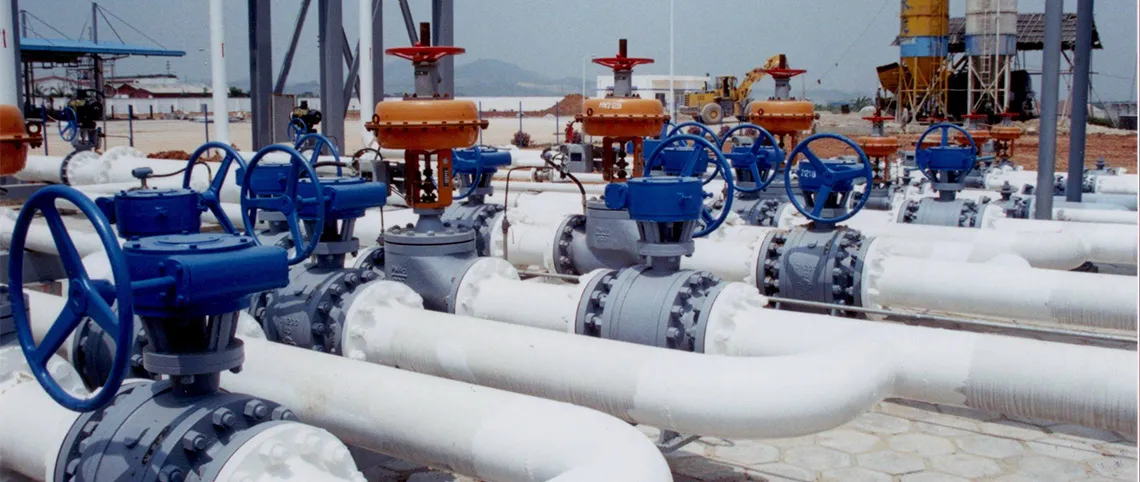
Valvola di cancello a flangia da 6 pollici
Un componente essenziale nei sistemi di gestione dei fluidi industriali è la valvola a saracinesca f
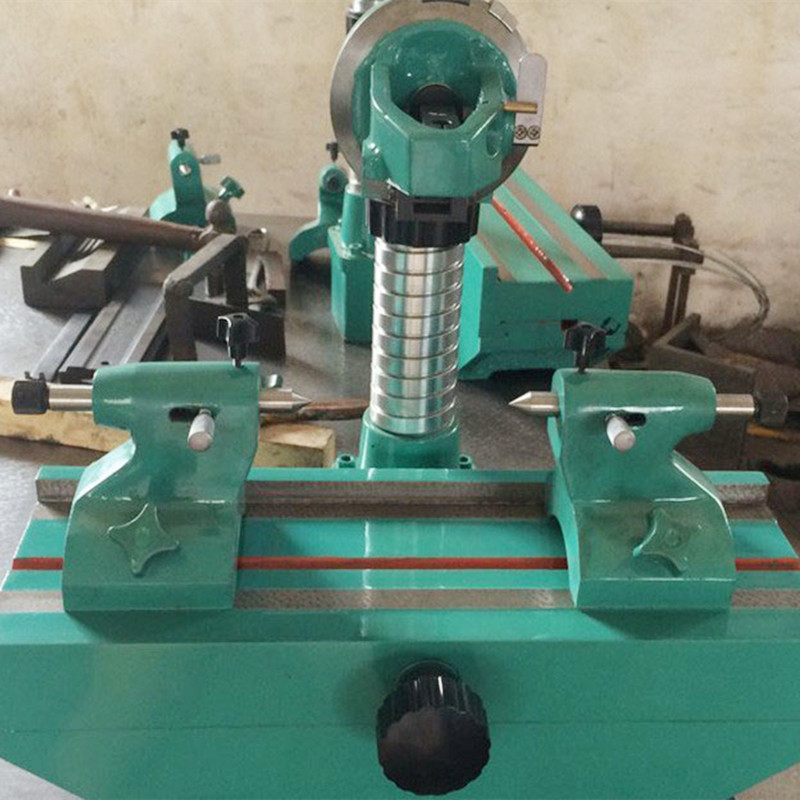
Valvola di cancello a flangia da 6 pollici
Un componente essenziale nei sistemi di gestione dei fluidi industriali è la valvola a saracinesca f
 English